
Nuclear Industry Materials Testing
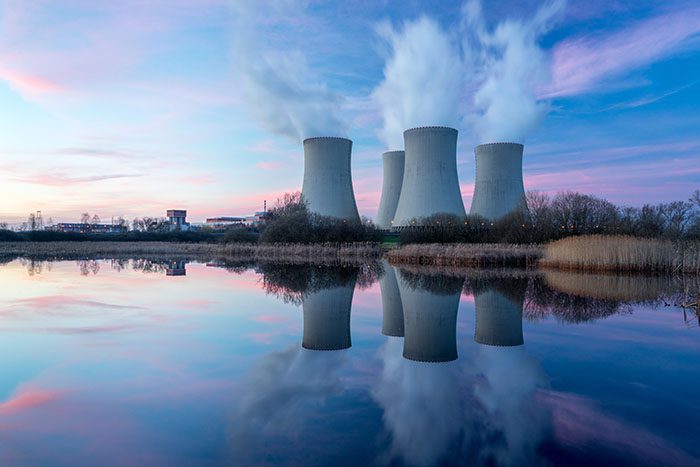
IMR Test Labs: Unwavering Material Certification and Testing for the Nuclear Industry
IMR Test Labs provides essential analytical and dedicated testing services for the nuclear power industry, including plant operators, engineering firms, and their critical suppliers. We analyze and certify metals, specialty alloys, polymers, coatings, and ceramics—materials fundamental to the building, certification, and safe operation of nuclear facilities. Our traceable, verifiable analyses ensure components can withstand the extreme operating conditions required for public utility and environmental approvals.
We offer a comprehensive suite of material testing and inspection services tailored to the stringent quality requirements of 10CFR and ASME NQA-1 programs.
Mechanical Testing
Ensuring component and storage materials maintain integrity under extreme operational stress.
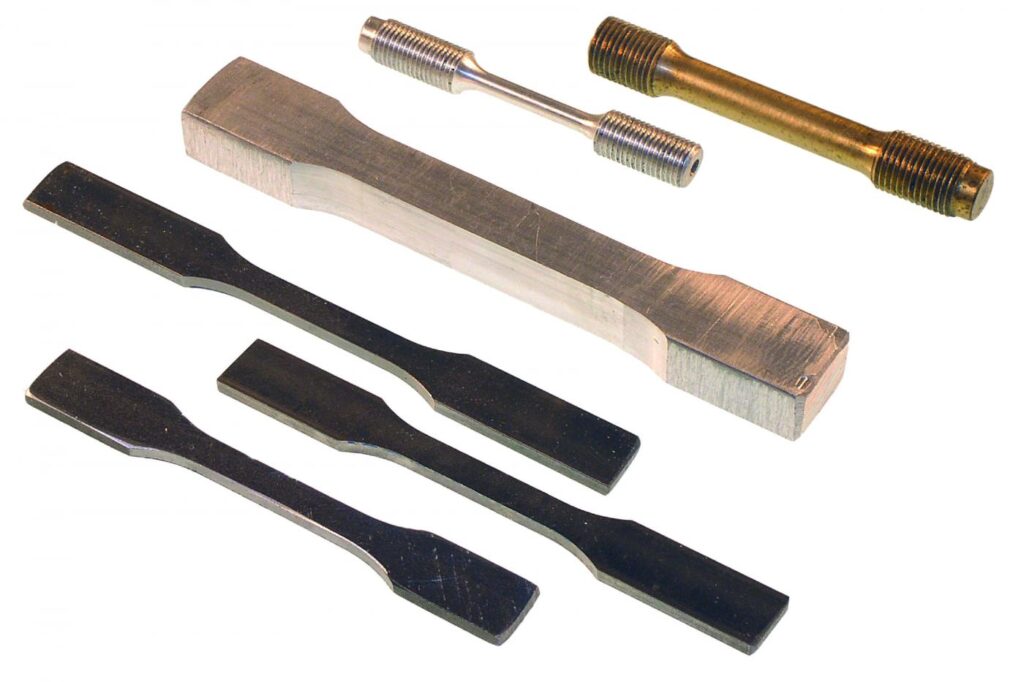
- Creep and Stress Rupture: Determining long-term material resistance to permanent deformation under sustained heat and load.
- Fatigue Testing (LCF, HCF, RBF): Assessing the lifespan of critical parts subject to repeated cycles of stress.
- Tensile/High Temperature Tensile Testing: Measuring strength and elongation properties at operating temperatures.
- Fracture Mechanics Testing: Analyzing crack growth behavior and material resistance to failure.
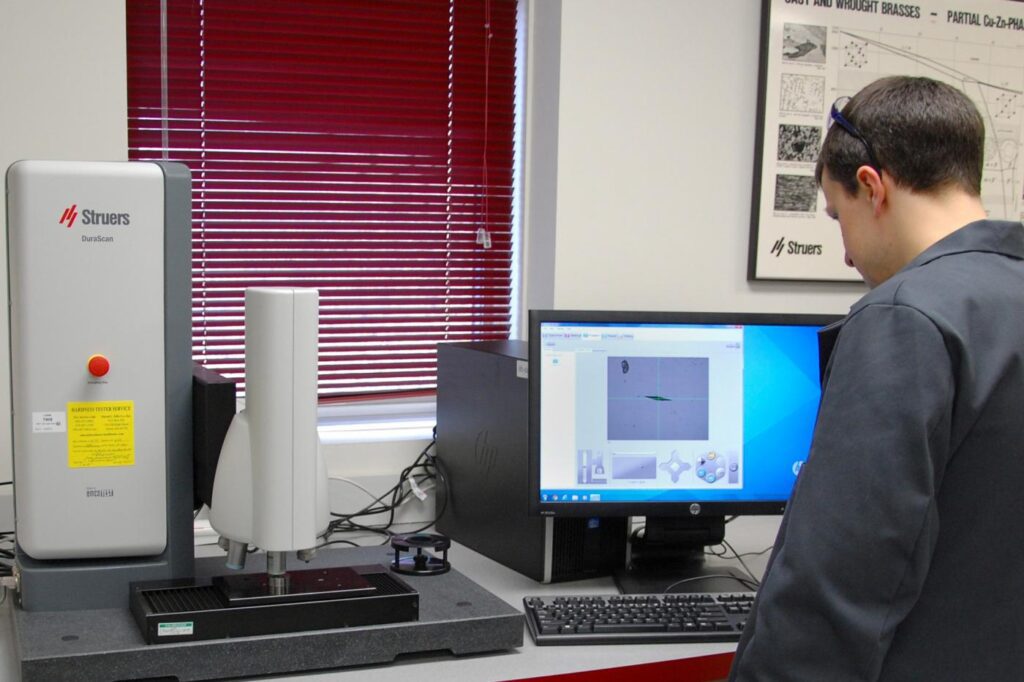
- Impact Testing & Hardness: Brinell and Rockwell hardness testing, along with impact resistance analysis.
- Weld Evaluation: Including Bend Testing, Torsion, and Resistance Weld Peel Testing.
Metallurgical Analysis & Inspection
Providing detailed analysis of material structures to ensure compliance and identify potential failure mechanisms.
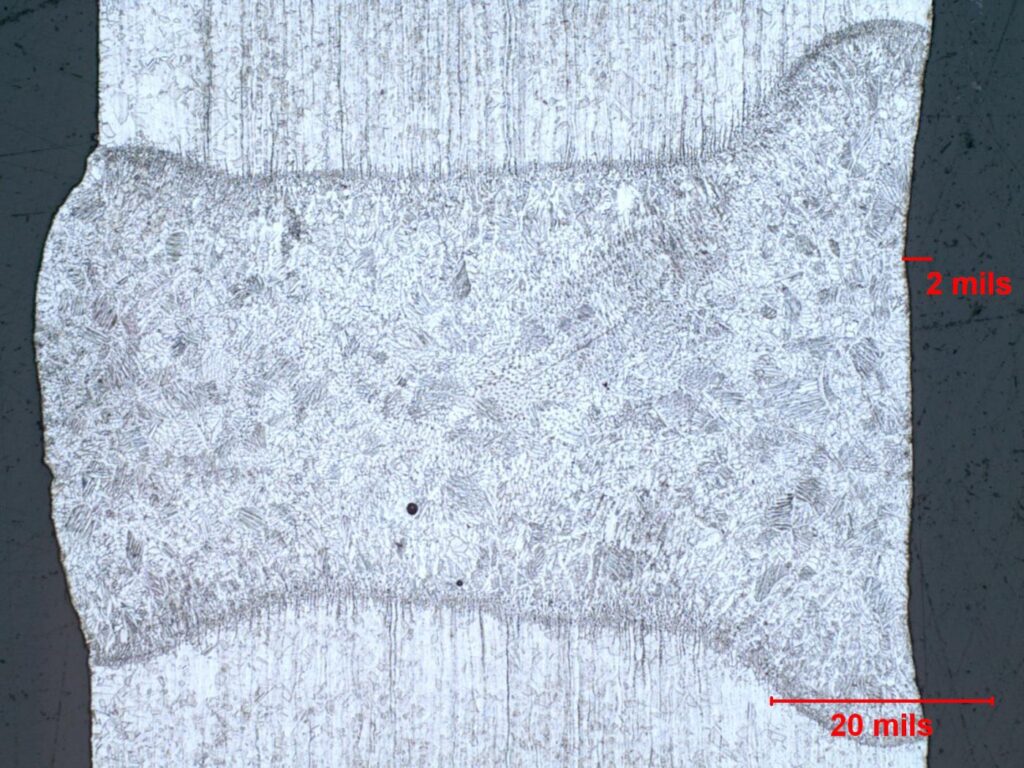
- Microscopy (SEM, Macro, Micro): High-resolution imaging and analysis of material surfaces and composition.
- Microstructure & Grain Size: Certification of material structure meets engineering specifications.
- Weld Inspection (AWS Certified): Ensuring weld integrity and process adherence.
- Defect Detection & Porosity: Identifying critical flaws like intergranular attack (IGA) or porosity.
- Plating Thickness & Cross-Sectional Analysis: Verifying coating integrity on protective components.
- Inclusion Rating & Macroetch: Assessing cleanliness and internal quality of raw materials.
Corrosion Testing & Failure Analysis
Investigating material degradation and identifying corrodent risks to prevent catastrophic failures.
- Corrosion Failure Analysis: Identifying the root cause of component failure due to environmental interaction.
- Electrochemical Corrosion Simulation: Predicting material performance in harsh reactor environments.
- Slow Strain Rate (SSR) Testing: Evaluating susceptibility to stress corrosion cracking (SCC).
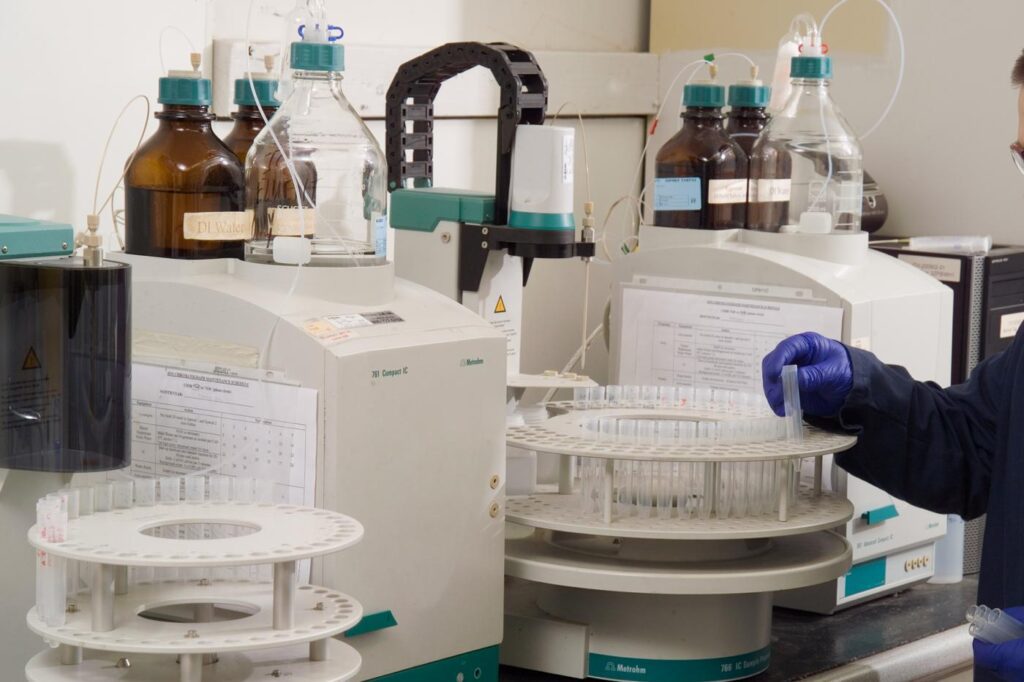
- Corrodent Identification: Determining the precise nature of aggressive agents.
Introduction/Why Us
The Nuclear Mandate: Safety and Reliability
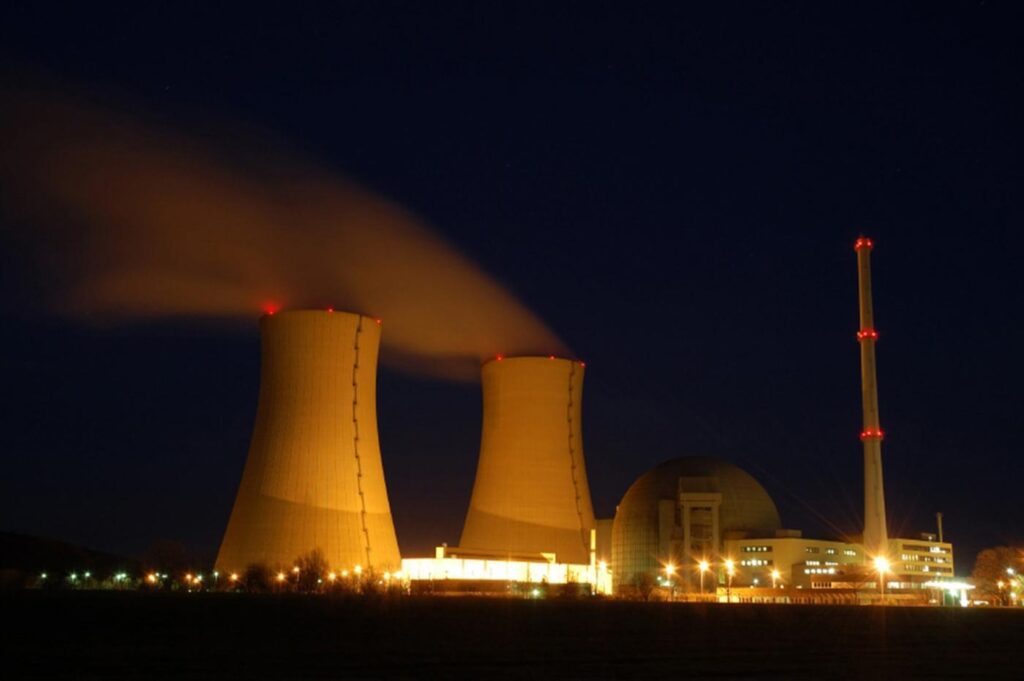
The nuclear power industry operates under the highest possible safety standards, where material reliability is non-negotiable. The ability of components to withstand demanding operating conditions—including intense heat, pressure, and radiation—is crucial not only for plant operation but also for environmental and public utility approvals. IMR ensures the safety and reliability of your nuclear components by delivering data you can trust, directly tied to regulatory requirements.
Your Partner in Quality Assurance and Compliance
IMR Test Labs is equipped with a robust quality assurance program specifically designed for the nuclear sector. We understand the complex regulatory framework, including 10 CFR Part 50 and NQA-1. By holding these key accreditations, we act as a seamless extension of your quality team, significantly reducing the complexity and risk associated with commercial-grade item dedication and critical material verification. Our commitment is to provide the traceable, verifiable analyses you need to maintain continuous compliance.
Key Differentiators and Accreditations
At IMR Test Labs, we maintain a quality assurance program in full compliance with industry-specific standards:
- 10CFR50 Appendix B
- 10CFR Part 21
- ASME III Subsection NCA 3800
- ASME NQA-1
- ISO 17025
- NIAC (Nuclear Industry Assessment Committee)
We regularly serve numerous NQA-1 customers and NIAC member companies, demonstrating our active and ongoing commitment to the nuclear supply chain.
Case Studies/Success Stories
Example Case Study:
Verifying Safety-Critical Valve Components
- Problem: A client needed to dedicate a commercially produced specialty alloy valve (a non-safety item) for use in a safety-related application. They lacked the technical data to satisfy the requirements of 10 CFR Part 50, Appendix B, for material strength and integrity.
- IMR Solution: We performed a tailored suite of dedication tests, including high-temperature tensile testing and fracture mechanics assessment on sacrificial samples. Our comprehensive report verified the material’s equivalence to nuclear-grade specifications.
- Outcome: The client successfully incorporated the valve into the safety system, saving significant lead time and procurement cost versus a custom-manufactured N-stamped item, all while maintaining absolute regulatory compliance.
Resources
Ready to ensure the safety and reliability of your next nuclear project?
Request a Quote Today!
Get started with traceable, verifiable material analysis from an accredited nuclear testing partner.
Questions about your project or regulatory compliance?
- Click Here to contact our Nuclear Services Team.
- Call us directly at (888) 464-8422
RELATED ANALYTICAL SERVICES
AWS Certified Weld Inspection
Braze Procedure/Process Analysis
Cross Sectional Analysis
Defect Detection
Grain Size
Inclusion Rating
Intergranular Attack
Macroetch
Microhardness
Microscopy (SEM, Macro, Micro)
Microstructure
Plating Thickness
Porosity
Bend Testing (including wraparound)
Creep and Stress Rupture
Fatigue (LCF, HCF, RBF)
Fracture Mechanics Testing
Hardness (Brinell, Rockwell)
Impact Testing
Torsion
Resistance Weld Peel Testing
Tensile/High Temperature Tensile Testing
Weld Evaluation
Corrosion Failure Analysis
Electrochemical Corrosion Simulation
Slow Strain Rate
Corrodent Identification
Alloy Chemistry (OES, ICP, XRF)
Cleanliness Testing (Internal and External)
DSC Analysis
Contaminant Analysis
Gravimetry
Nonmetallic Material Confirmation (FTIR, TGA, DSC)
Plating Analysis
Positive Material Identification (PMI)
Rare Earth Element Analysis
Trace Element Analysis
XRD Analysis
Applied Stresses
Coating Failure Analysis
Contaminant Identification
Corrodent Identification
Fractography
Fracture Origin
Failure Mechanism
Nonmetallic Failure Analysis
Root Cause Analysis