

Metallurgical Analysis & Microstructural Evaluation
Uncovering the precise microstructural condition and processing history of your metals is essential to ensuring long-term component durability. IMR Test Labs provides comprehensive metallurgical analysis to evaluate your materials by:
- Utilizing advanced macro, micro, and Scanning Electron Microscopy (SEM) examinations to inspect internal structures
- Evaluating microstructural features, chemical composition, internal defects, and heat treatment effectiveness
- Identifying unknown alloys, verifying proper processing, and delivering root-cause failure analysis to ensure compliance with strict industry specifications
Core Metallurgical Properties We Evaluate
We break down complex microstructures into clear, quantifiable data points to ensure your materials align with strict design criteria:
- Microstructural Characterization: Evaluation of grain boundaries, material phases, inclusion ratings, and the overall structural matrix.
- Grain Size Analysis: Precision measurement of grain size distribution, which directly dictates a material's tensile strength and toughness.
- Porosity & Void Evaluation: Identifying internal gas porosity, shrinkage, or micro-cracks that can severely compromise structural integrity.
- Coating & Surface Analysis: Detailed evaluation of coating thickness, adhesion, and uniformity, specializing in high-performance thermal spray coatings.
- Corrosion Resistance: Assessing micro-structural susceptibility to environmental degradation, intergranular attack, and oxidation.
METALLURGICAL TESTING METHODS
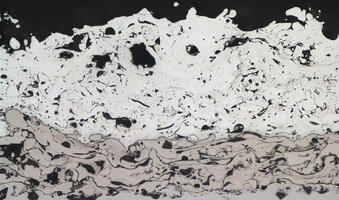
Many industries rely on thermal spray coatings to ensure the durability of parts that will be subjected to wear, high heat, corrosion, and other harsh in-service conditions.

Increased machining speeds can often affect the characteristics of feedstock material. High speeds generate more heat, which can have an impact on both the tool and the workpiece.
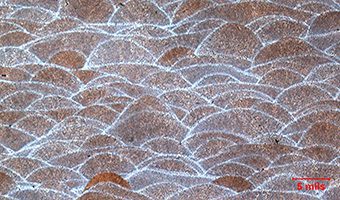
IMR's metallurgical team is equipped to identify corrodents and other environmental variables that are directly responsible for corrosion attacks.
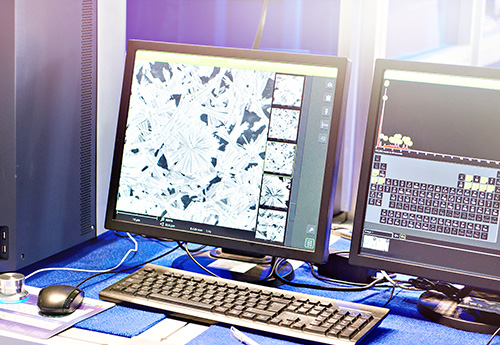
SEM Analysis is performed quickly and the microscopes used in this process are able to generate data in a sophisticated digital form.
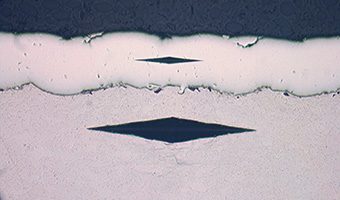
Microhardness testing produces data identifying individual phases and orientation effects.
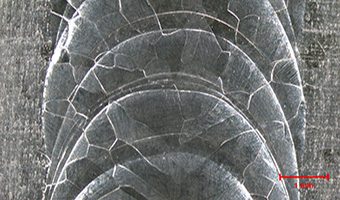
Welder qualification and weld evaluation for OEM's and vendors. Qualification to the AWS, European Directive, and ASME standards.

Metallography is the art and science of preparing test samples for an accurate evaluation of a material's microstructure.
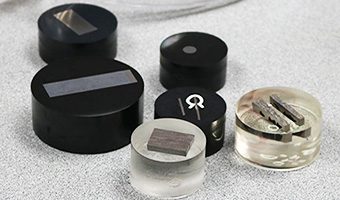
Advanced Metallographic Capabilities & Equipment
Accurate metallurgical data depends entirely on the precision of the initial sample preparation. Our labs feature a vast array of specialty specimen preparation techniques and state-of-the-art diagnostic instrumentation:
Precision Metallographic Preparation
We utilize advanced, automated metallographic polishing and etching techniques. This eliminates surface distortion, allowing for flawless microscopic analysis of the base metal, alloy interfaces, or delicate surface coatings.
Specialized Testing & Simulations
Our cutting-edge testing arsenal allows us to simulate harsh environments and analyze specialized material stress behaviors:
- Scanning Electron Microscopy (SEM): High-magnification, high-resolution imaging paired with EDS for localized elemental chemistry analysis.
- Electrochemical Corrosion Simulations: Evaluating real-time material degradation and oxidation rates under aggressive chemical exposure.
- Manufacturing Impact Evaluations: Analyzing the microstructural effects of aggressive machining, forming, or casting processes on raw stock.
- Specialized Chemical Testing: Including mercurous nitrate testing to detect residual stresses in copper alloys.
Why Partner with IMR Test Labs?
- Multidisciplinary Expertise: Our team consists of highly trained lab technicians, engineers, and PhD metallurgists who specialize in providing actionable insights, not just raw data tables.
- High-Resolution Reporting: We provide crystal-clear, high-magnification microphotographs alongside comprehensive engineering commentary, even for the most challenging sample materials.
- End-to-End Solutions: From routine microstructure and hardness checks to custom testing plans for complex aerospace and medical device validations.
Metallurgical Analysis Laboratories FAQ’s
Metallurgical testing reveals the microstructural condition and makeup of your materials with macro, micro and SEM examinations.
IMR Test Labs offers special pricing for routine work. You get the same high-quality results and reports fast, typically within 3 days. Routine testing offerings include microstructures, coatings evaluations, hardness surveys, and more.
If you have failed parts, metallurgical failure analysis is the best insight into the method of failure and possible causes. The analysis provides clear, concise reports explaining the step-by-step investigation, findings, causes and high-quality color images. With the support of our non-metallics failure analysis group, we are prepared to analyze your mixed material failures.
IMR Test Labs has 5 locations and the testing you require can be performed in less than a week and in most cases, faster. Expedited services are also available should the need arise.
The information obtained in IMR Test Lab metallurgical reports can aid in research and development projects. We offer aggressive machining evaluations, thermal spray coatings evaluations, corrosion evaluations and comparative material analyses. Our reports are clear and concise, providing you side-by-side results so you can make informed business decisions and determine how comparable different materials, material lots or manufacturers are.
Our litigation support includes expert witness testimony, witnessed testing and technical disposition.
METALLURGICAL ANALYSIS- LAB SERVICES
Alpha Case
Carburization
Case Depth
Certified Weld Inspections
Coatings Evaluations
Coating Thickness by XRF, SEM, Cross Section
Depth of Decarburization
Determination of Delta Ferrite Content
Determination of Volume Fraction by Point Count
Effective Case Depth
Failure Analysis
Fastener Discontinuities
Fluorescent Impregnation of Porous Coatings
Fractography
Fracture Mechanics
Grain Size
Inclusion Content/Rating
Intergranular Attack
Intergranular Oxidation
Light Microscopy - Macro, Micro & SEM Photography
Machining Evaluations
Macroetching
Microetching
Microhardness (Knoop, Vickers, MacroVickers)
Microstructure
Orientation in Microstructure
Particle Analysis (Distribution, ID, Size)
Phase Volume Determination
Pipeline Integrity
Plating Evaluations
Plating Thickness
Porosity of Metals, Ceramics & Composites
Prior Austenitic Grain Boundary Determination
Replication (ASTM E1351)
Quantitative Image Analysis
SEM Analysis
Surface Evaluation (Dubpernell Active Site Test ASTM B456 Appx 4)
Surface Topography
Thermal Spray Coating Analysis
Titanium Beta Transus Determination
Weld Qualification & Testing
METALLURGICAL ANALYSIS- CORROSION INVESTIGATION
Corrosion Failure Analysis
Dezincification Testing
Electrochemical Corrosion Testing
Environmental Stress Cracking (ESC)
Formicary (Ant’s Nest) Corrosion Evaluation
General and Pitting Corrosion Testing
Heat & Fluid Aging
Mercurous Nitrate Testing
Passivation Testing of Medical Components
Potentiodynamic Corrosion
Residual and Assembly Stress Testing of Copper Alloys
Sensitization Testing
Stress Corrosion Cracking (SCC)
METALLURGICAL ANALYSIS- SPECIALTY MATERIAL PREPARATION
Techniques
2 and 3 part Chemical Etching
AC Electrolytic Etching
Non-routine DC Electrolytic Etching
Vibratory Polishing
Commercially Pure and Medical Grade Titanium Alloys
Beryllium and Alloys
Antimony
Bismuth
Cadmium
Indium
Thallium
All High Purity Metals
Aluminum
Cobalt
Iron
Nickel
OFE Copper
Platinum Metal Group & Alloys
Iridium
Osmium
Palladium
Platinum
Rhodium
Ruthenium
Refractory Pure Metals and Alloys
Chromium
Molybdenum
Rhenium
Tantalum
Tungsten
Vanadium
Odd Metals and Alloys containing significant amounts of
Lead
Magnesium
Manganese
Tin
Zinc
Precious Metals and Alloys
Gold
Silver
Ceramics
Boride
Nitride
Oxide
Specific Difficulty
6061 Al Grains
Elgiloy
FSX414
Inconel 625
Haynes 25
Haynes 188
L605
Nitinol
Stellites
X-40
Very Difficult
Hafnium
Niobium
Zirconium
