

Aerospace materials require the highest level of reliability. The risk associated with component failure is immeasurable, which is why verifying raw materials, analyzing failures, and thoroughly testing new products are critical to maintaining safety. At IMR Test Labs, our team of metallurgists, chemists, and mechanical engineers works with the world’s largest and most innovative aerospace OEMs and Tier 1 suppliers to ensure that every material and component meets the industry’s rigorous standards, from late-stage R&D to final production.
Aerospace Materials Testing Services
IMR Test Labs provides a full range of analytical services to support quality control and product engineering for aerospace suppliers. We specialize in testing reciprocating and turbine engine components, airframe materials, and thermal spray coatings.
Mechanical & Physical Testing
- High Temperature Fatigue Analysis: Capabilities up to 1800°F.
- Mechanical Properties: Balancing hardness, flexibility, and wear resistance.
- Tensile Testing: Determining material strength under stretching forces.
- Fatigue Testing: Predicting the life of parts under repeated loads.
- Flexural Properties: Measuring the maximum stress a part can withstand before failure.
- Peel Strength: Assessing a material’s resistance to physical damage.
Chemical Analysis & Coatings
- Elemental and Chemical Analysis: Verifying material composition.
- Plating and Coating Evaluations: Ensuring protective layers meet specifications.
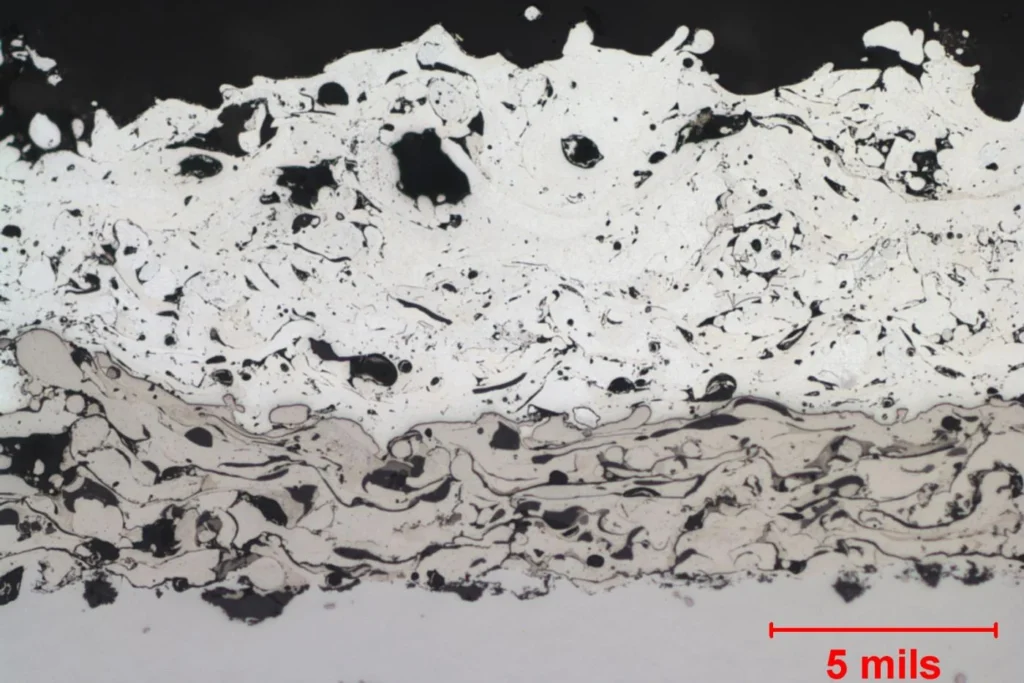
- Thermal Spray Coatings Testing: Specialized analysis for critical surface applications.
- Corrosion Resistance: Protecting against moisture, salt, and other corrosive agents.
- Erosion Resistance: Guarding against airborne particles like sand and rain.
- Adhesion Testing: Ensuring coatings remain bonded under vibration and stress.
Composite Testing
- Areal Weight Testing: Determining material suitability for a specific application.
- Compressive Testing: Analyzing a material’s capacity to withstand crushing loads.
- Constituent Content: Confirming a composite’s fatigue resistance and environmental stability.
- Dynamic Mechanical Analysis (DMA): Characterizing a material’s properties as a function of temperature and stress.
- Open/Filled-Hole Testing: Determining a material’s toughness and ability to handle strain in a damaged state.
- Shear Properties: Measuring a material’s strength under lateral shear force.
Why Choose IMR for Aerospace Testing?
Aerospace components must withstand some of the harshest environments on Earth, from the scorching heat of an engine to the freezing temperatures of high-altitude flight. Aerospace engineers are constantly striving to increase strength while lessening weight, which requires a partner who understands these unique challenges and can provide reliable, state-of-the-art testing.
IMR Test Labs is that partner. We have a proven track record of reliable results, a strict quality system, and a team of experts with years of experience. We are not just a lab; we are an extension of your team, providing the accurate data you need to ensure product safety and integrity. Our accreditations and approvals from leading OEMs demonstrate our commitment to the highest quality standards.
As a Nadcap-approved laboratory, IMR maintains a strict quality system with tight control over all aspects of aerospace testing, including sample tracking, data management, and calibration. We hold A2LA/SAC (ISO 17025) accreditation and are ITAR-registered, with specific approvals from major manufacturers such as Boeing, GE, Pratt & Whitney, and Honeywell Aerospace. This allows us to provide the confidence and peace of mind you need to bring your products to market.
Resources
- Ebook: https://imrtest.com/a-guide-to-composites-testing-for-the-aerospace-industry/
- Blog Post: https://imrtest.com/the-final-5-testing-methods-for-aerospace-composite-materials-part-3/
- Technical Guide: https://imrtest.com/blog-news/lp-composite-testing-for-the-aerospace-industry/
Ready to ensure the reliability and safety of your aerospace materials? Request a quote today or contact our experts to discuss your specific testing needs
- Phone: 888-464-8422
Mechanical & Physical Testing
High Temperature Fatigue Analysis
Capabilities up to 1800° F
Mechanical Properties
Balancing hardness, flexibility, and wear resistance
Tensile Testing
Determining material strength under stretching forces
Fatigue Testing
Predicting the life of parts under repeated loads
Flexural Properties
Measuring the maximum stress a part can withstand before failure
Peel Strength
Assessing a material's resistance to physical damage
Chemical Analysis & Coatings
Elemental and Chemical Analysis
Verifying material composition.
Plating and Coating Evaluations
Ensuring protective layers meet specifications.
Thermal Spray Coatings Testing
Specialized analysis for critical surface applications.
Corrosion Resistance
Protecting against moisture, salt, and other corrosive agents.
Erosion Resistance
Guarding against airborne particles like sand and rain.
Adhesion Testing
Ensuring coatings remain bonded under vibration and stress.
Composite Testing
Areal Weight Testing
Determining material suitability for a specific application.
Compressive Testing
Analyzing a material's capacity to withstand crushing loads.
Constituent Content
Confirming a composite's fatigue resistance and environmental stability.
Dynamic Mechanical Analysis (DMA)
Characterizing a material's properties as a function of temperature and stress.
Open/Filled-Hole Testing
Determining a material's toughness and ability to handle strain in a damaged state.
Shear Properties
Measuring a material's strength under lateral shear force.
WHY CHOOSE IMR FOR AEROSPACE TESTING? -Benefits of Using IMR Test Labs
Aerospace components must withstand some of the harshest environments on Earth, from the scorching heat of an engine to the freezing temperatures of high-altitude flight. Aerospace engineers are constantly striving to increase strength while lessening weight, which requires a partner who understands these unique challenges and can provide reliable, state-of-the-art testing.
IMR Test Labs is that partner. We have a proven track record of reliable results, a strict quality system, and a team of experts with years of experience. We are not just a lab; we are an extension of your team, providing the accurate data you need to ensure product safety and integrity. Our accreditations and approvals from leading OEMs demonstrate our commitment to the highest quality standards.
As a Nadcap-approved laboratory, IMR maintains a strict quality system with tight control over all aspects of aerospace testing, including sample tracking, data management, and calibration. We hold accreditations from A2LA/SAC (ISO 17025) and are ITAR registered, with specific approvals from major manufacturers such as Boeing, GE, Pratt & Whitney, and Honeywell Aerospace. This allows us to provide the confidence and peace of mind you need to bring your products to market.
As a Nadcap approved laboratory, IMR maintains a strict quality system with tight control of all aspects of aerospace testing:
- sample tracking
- data management
- calibration
- test methodology
IMR Test Labs holds accreditations from A2LA/SAC (ISO 17025) and are ITAR registered.
- Boeing
- Bombardier
- GE
- Gulfstream
- Honeywell Aerospace
- Pratt & Whitney
- Sikorsky
Click here to view all our current accreditations and certifications
DOWNLOAD OUR AEROSPACE MATERIALS TESTING EBOOK
We’ve put together a comprehensive guide to educate you on everything you need to know about the different composite testing methods in the aerospace industry, including:
- Areal Weight Testing
- Dynamic Mechanical Analysis (DMA)
- Filled-Hole Tension/Compression Testing
- Other important details about composite testing
CLICK HERE TO DOWNLOAD IMR'S "COMPOSITES TESTING FOR THE AEROSPACE INDUSTRY" EBOOK.
Alloys, metals, composites for exterior and interiors of airframes, rocket propulsion and spacecraft structures, coatings.
Simple mechanical testing on metals, alloys, and composites can be turned around in 3-5 days. Contact IMR Test Labs for more detailed turnaround time estimates.
Nadcap (National Aerospace and Defense Contractors Accreditation Program) is a rigorous accreditation program for aerospace engineering, defense, and related industries.
Being able to replicate an airplane or spacecraft's operating environment will allow testing on the extreme conditions aerospace materials are subjected to.
AEROSPACE MATERIALS TESTING ANALYTICAL SERVICES
Case Depth
Coatings Evaluations
Coating Thickness
Decarburization
Fracture Mechanics
Grain Size Analysis
Inclusion Rating
Intergranular Attack
Machining Evaluations
Microhardness (Knoop, Vickers, Macro Vickers)
Metallography of Coatings
Microstructure
Oxide Content
Particle Analysis
Plating & Coating Evaluation
Porosity
Powder Morphology
Void Content
Alloy Verification
Cleanliness Testing
ICP-AES, OES or XRF Elemental Analysis
ICP-MS Analysis of Trace Elements
Microtrac Particle Size
PMI Testing
Powder Chemistry
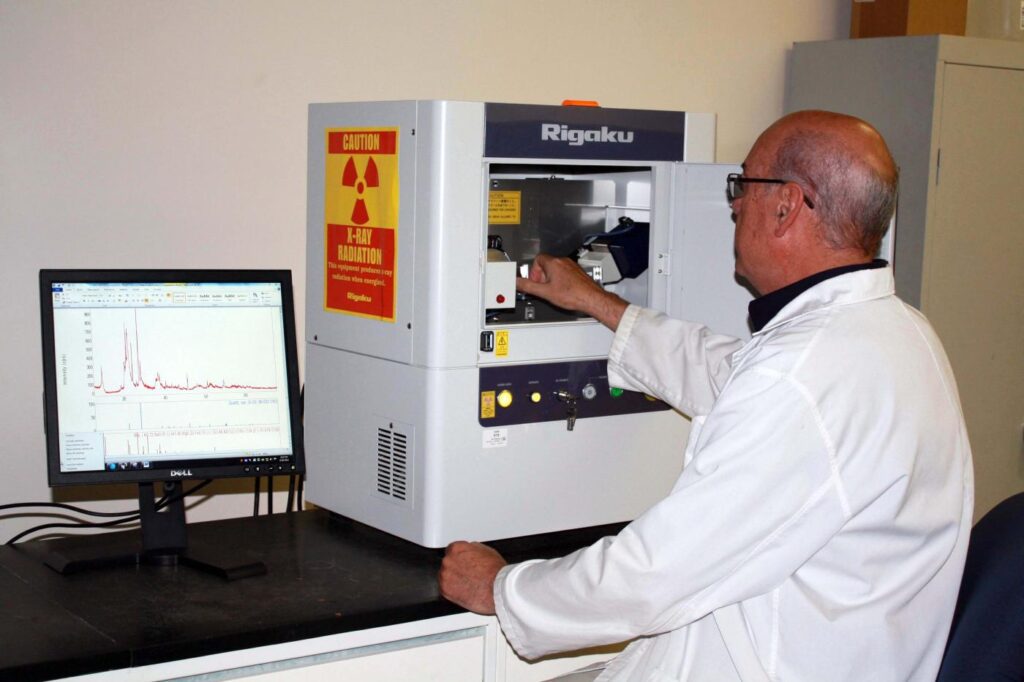
X-RAY DIFFRACTION TESTING
Compound Morphology
Crystal Structure
Identification of Unknown Powders
Phase Identification
Powder Diffraction
Coating Adhesion
Erosion Testing
Flexural Properties
Hardness Testing (Brinell, Rockwell)
Hydrogen Embrittlement
Impact Testing
Tensile Testing
Taber Abrasion Testing
Weld Examination
CORROSION TESTING
Accelerated Weathering
Cyclic Corrosion Testing
Erosion Testing
Salt Spray Testing
Wear Testing
Axial Fatigue
Coating Shear Fatigue
Fracture Mechanics
High Temperature
Low/High Cycle Fatigue
Rotating Beam Fatigue (Reverse Bending)
Chemical Exposure Testing
Chemical Resistance
Contaminant Analysis
DSC Analysis (Melting Point, Glass Transition, % Crystallinity)
FTIR Analysis
Material Identification
Nonmetallic Failure Analysis
PHYSICAL PROPERTIES
Coefficient of Thermal Expansion by TMA
Compressive Properties
Hardness (Rockwell, Durometer, Shore, Barcol)
Heat Aging
Impact Testing
Lap Shear Testing
Tensile Testing
MARKETS WE SERVE
ACCREDITATIONS
Click here for our full list of accreditations and certifications
GALLERY